
Global Fishing Watch at UNOC3
From June 9 – 13 2025, the third United Nations Ocean Conference (UNOC3), co-hosted by the governments of France and Costa Rica, took place in Nice, France. This year, the conference theme was “Accelerating action and mobilizing all actors to conserve and sustainably use the ocean”.
Global Fishing Watch was in Nice, as part of international efforts to strengthen implementation of Sustainable Development Goal (SDG) 14 (Life Below Water) and advance the crucial 30×30 target – protecting 30% of our ocean by 2030. Our delegation was present throughout the conference, hosting and participating in side events focused on transparency, data-driven solutions and sustainable management of marine resources.
Ahead of the main conference, the One Ocean Science Congress (June 4–6) took place, also in Nice. Global Fishing Watch’s chief scientist, David Kroodsma, highlighted how advances in vessel tracking technologies, especially AIS, can support marine protection, enhance enforcement and inform evidence-based policy.
Learn more about our participation at the One Ocean Science Congress
Global Fishing Watch played a leading role in elevating transparency as a cornerstone of ocean governance and marine protection throughout UNOC3. Across five days of high level panel discussions, side events and global announcements, we demonstrated how technology, transparency and strategic partnerships are getting us closer to reaching the 30×30 goal. Our delegation spoke at more than 10 panels and sessions and we showcased our unique Marine Manager platform as a leading example of how data-driven tools can be used to support biodiversity protection in different environments.
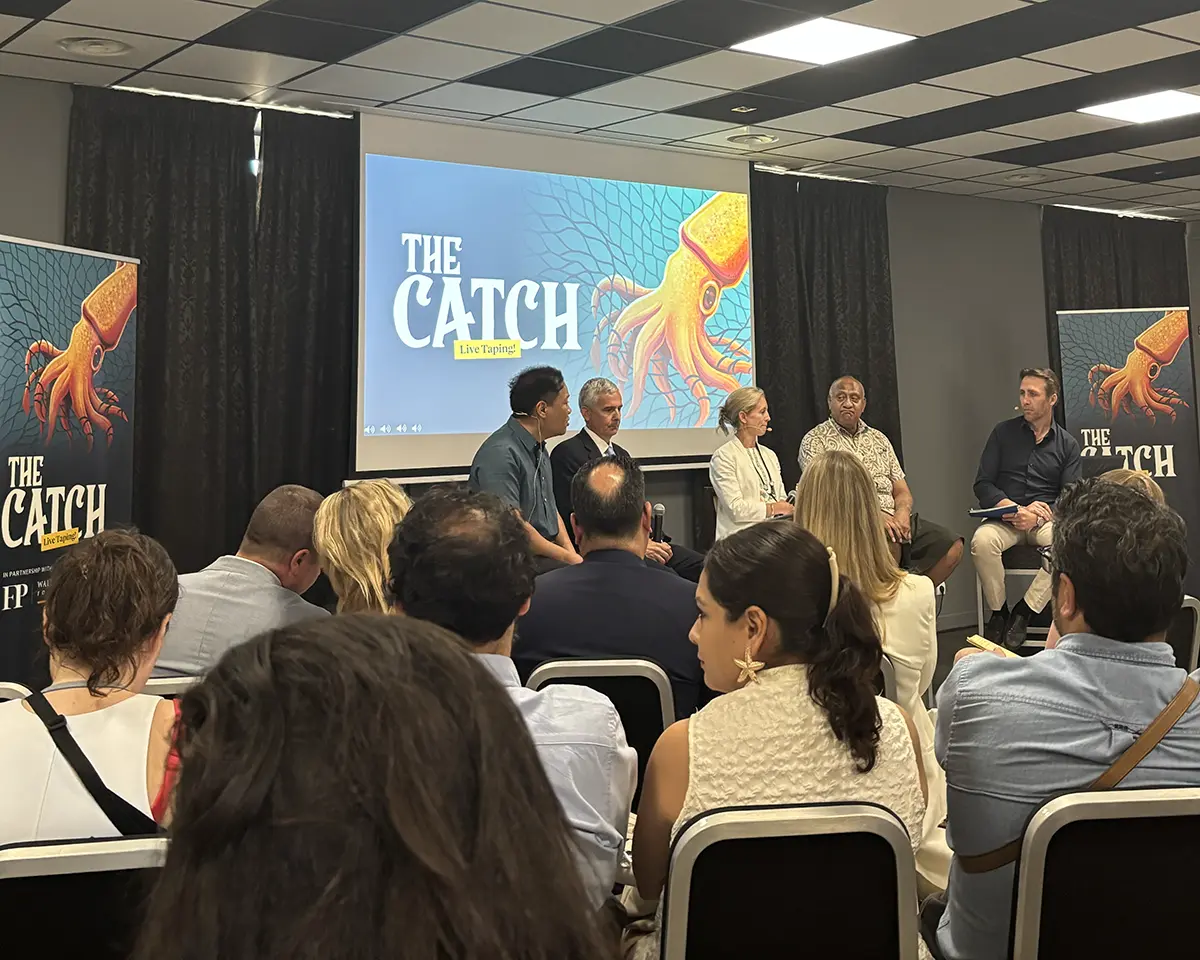
At our own side event we convened a high-level panel of speakers, including representatives from the government of Costa Rica, ICCAT, GFCM, SOA, HAC and Bloomberg Philanthropies. At Global Fishing Watch, we believe that transparency is essential to protecting our oceans, and through our cutting edge technology and use of open-access data we’re helping build a future where better marine protection is not just possible, but measurable, enforceable and equitable. Our session highlighted practical and actionable pathways to support ocean conservation while ensuring a sustainable fisheries sector. It also called for greater action at all levels to ensure countries are able to meet biodiversity goals and conserve the ocean for future generations.
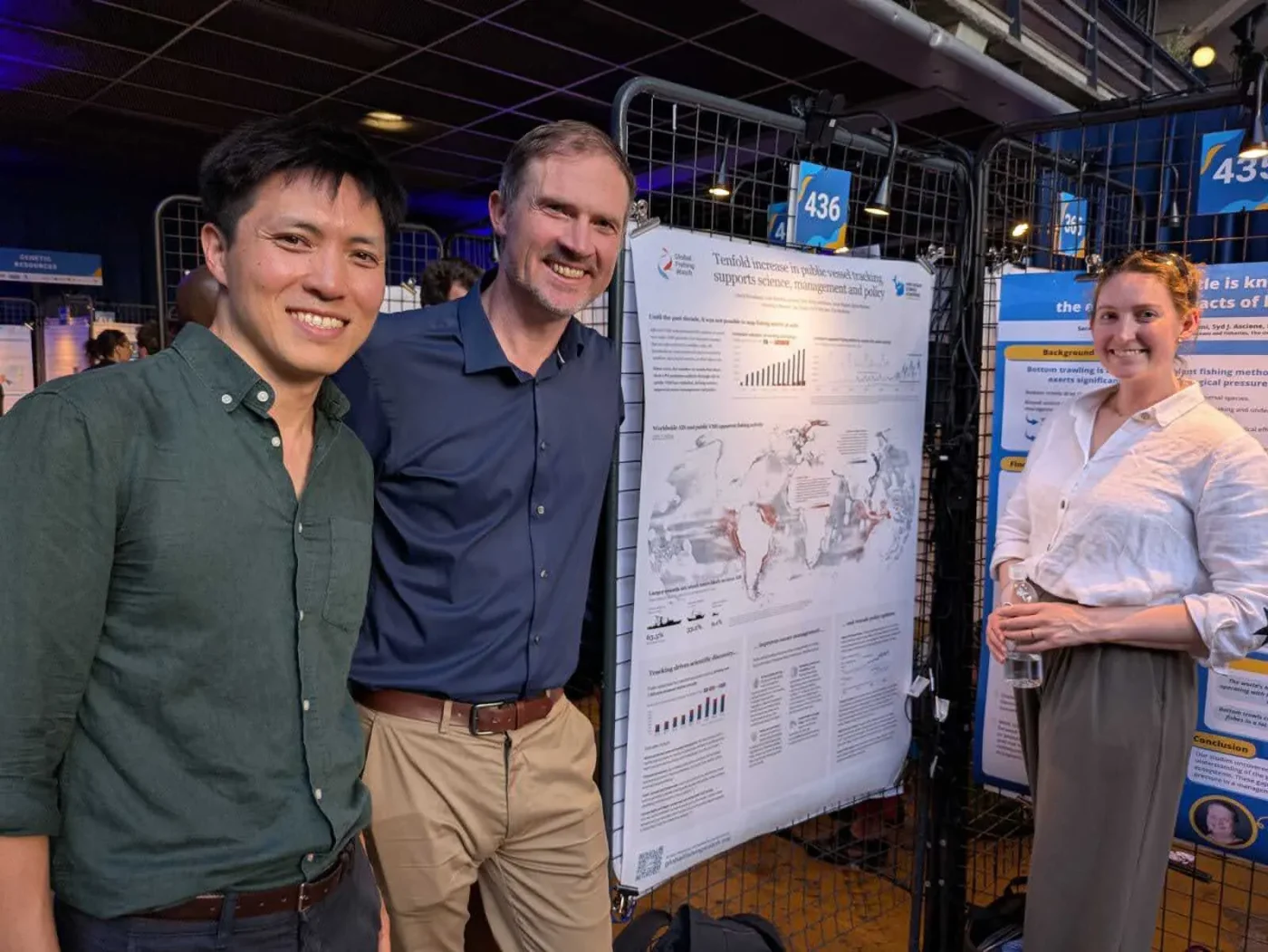
David Kroodsma with Global Fishing Watch’s science poster at the One Ocean Science Congress
Key outcomes from UNOC3
We were pleased to see progress made on many aspects of our 2030 goals in Nice. From measures to reduce illegal, unreported and unregulated (IUU) and destructive fishing to protections for biodiversity and small-scale fisheries, governments have taken steps to improve ocean sustainability for all. It is now time for pledges to become actions and for these actions to be scaled up at much greater speed.
Official recognition of transparency

Tony Long, CEO of Global Fishing Watch, opening the “Harnessing Transparent Data to Enhance Marine Protection and Achieve 30×30” event at UNOC3
For the first time, Global Fishing Watch directly influenced the language of a UNOC outcome document, with transparency and high quality data formally recognized as essential to achieving global ocean targets. The Nice Ocean Action Plan explicitly references the role of transparency and technology in ending illegal fishing, building on our success with the 2024 UN Sustainable Fisheries Resolution and reflecting growing recognition of their significance to ocean governance.
Historic partnership with Panama
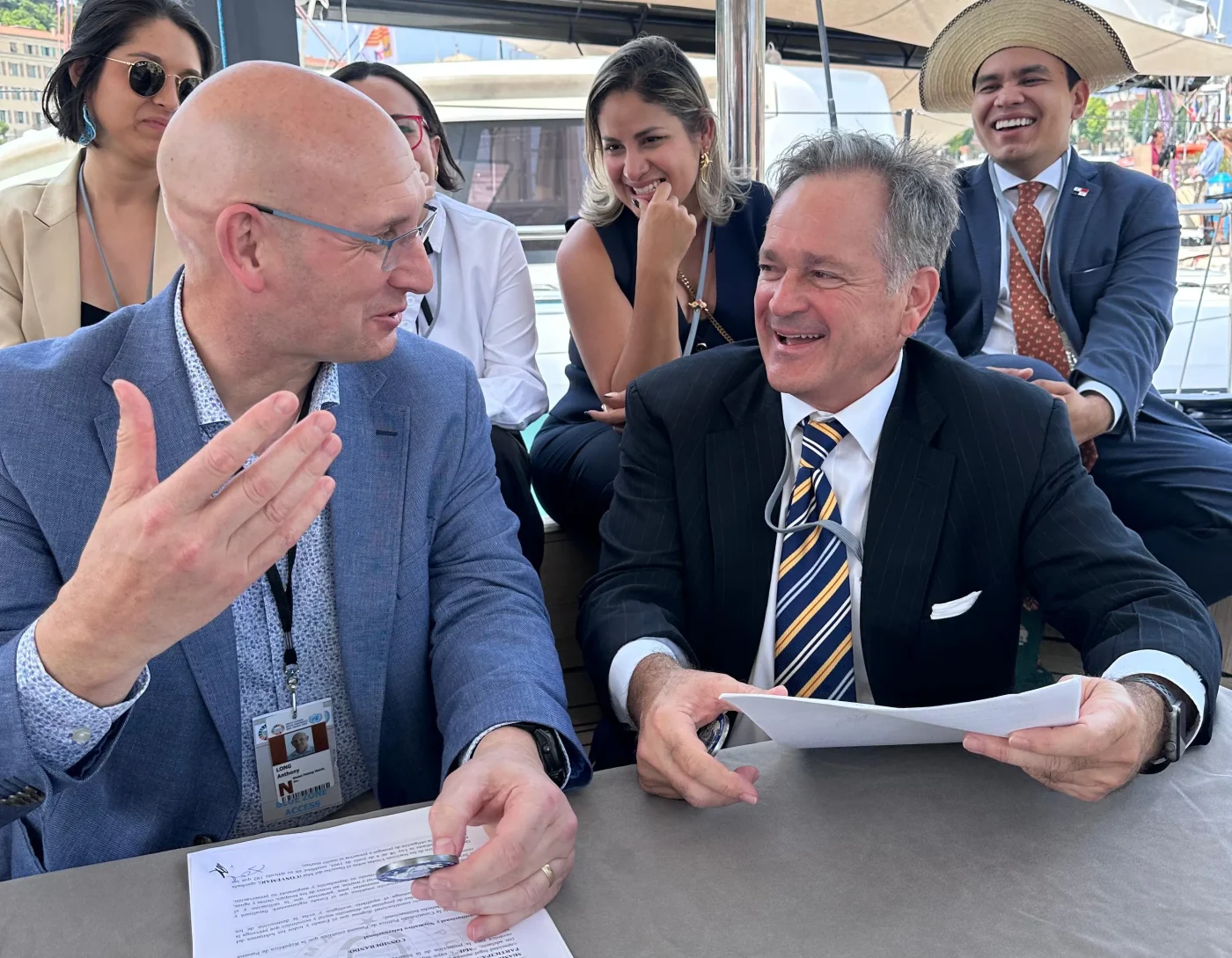
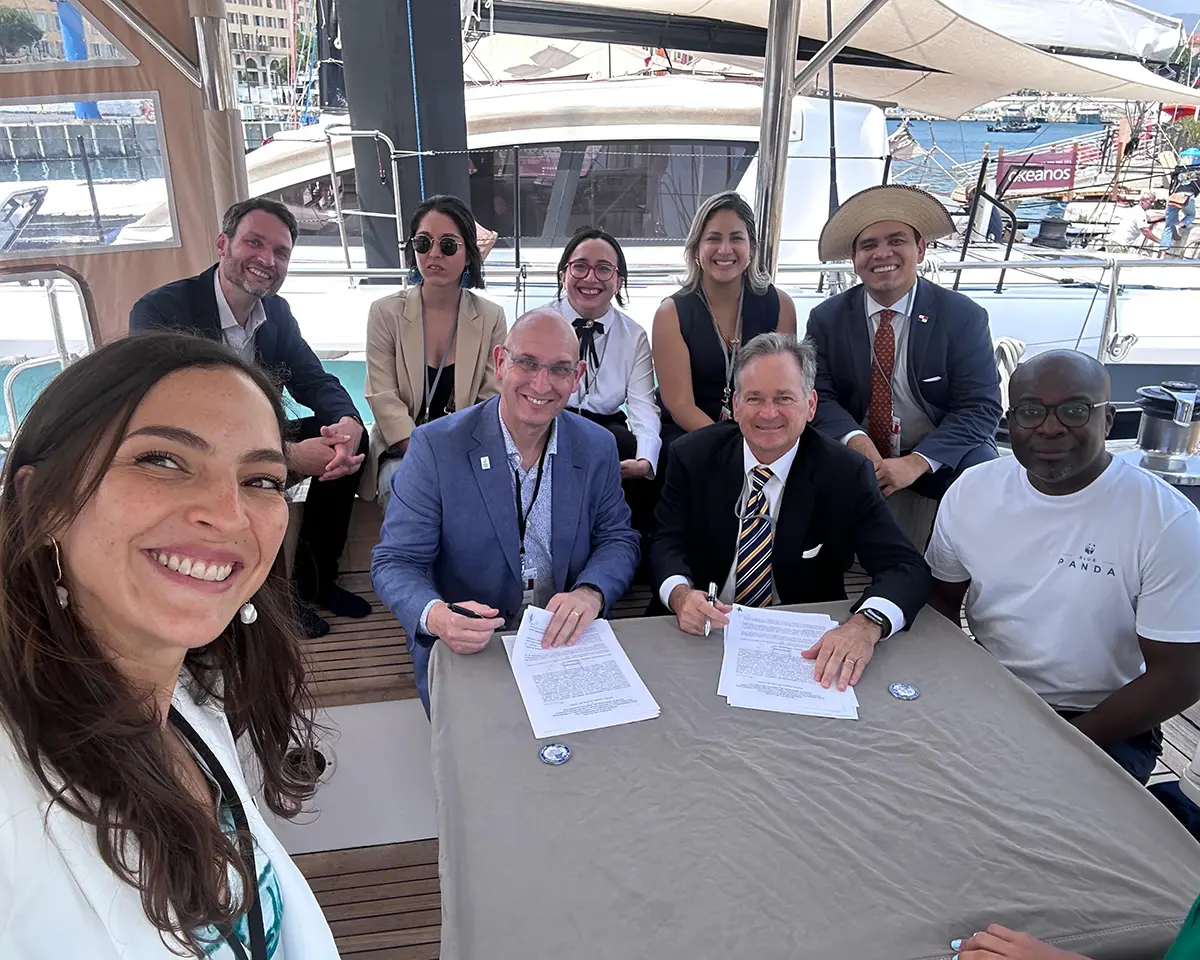
Panamanian Environment Minister Juan Carlos Navarro & Global Fishing Watch CEO Tony Long signing the memorandum of understanding (MoU) at UNOC3
We signed a Memorandum of Understanding with Panama’s Ministry of Environment — our first with a national environmental authority. Moreover, at the “No Safe Harbour” event organized by the Environmental Justice Foundation (EJF), Panama, through the Panamanian Authority of Aquatic Resources (ARAP), announced its plans to require the declaration of ultimate beneficial owners (UBOs) for all international vessels. Liberia and Ghana also committed to reveal who ultimately profits from the activities of fishing vessels in their waters.
New marine protected areas (MPAs)
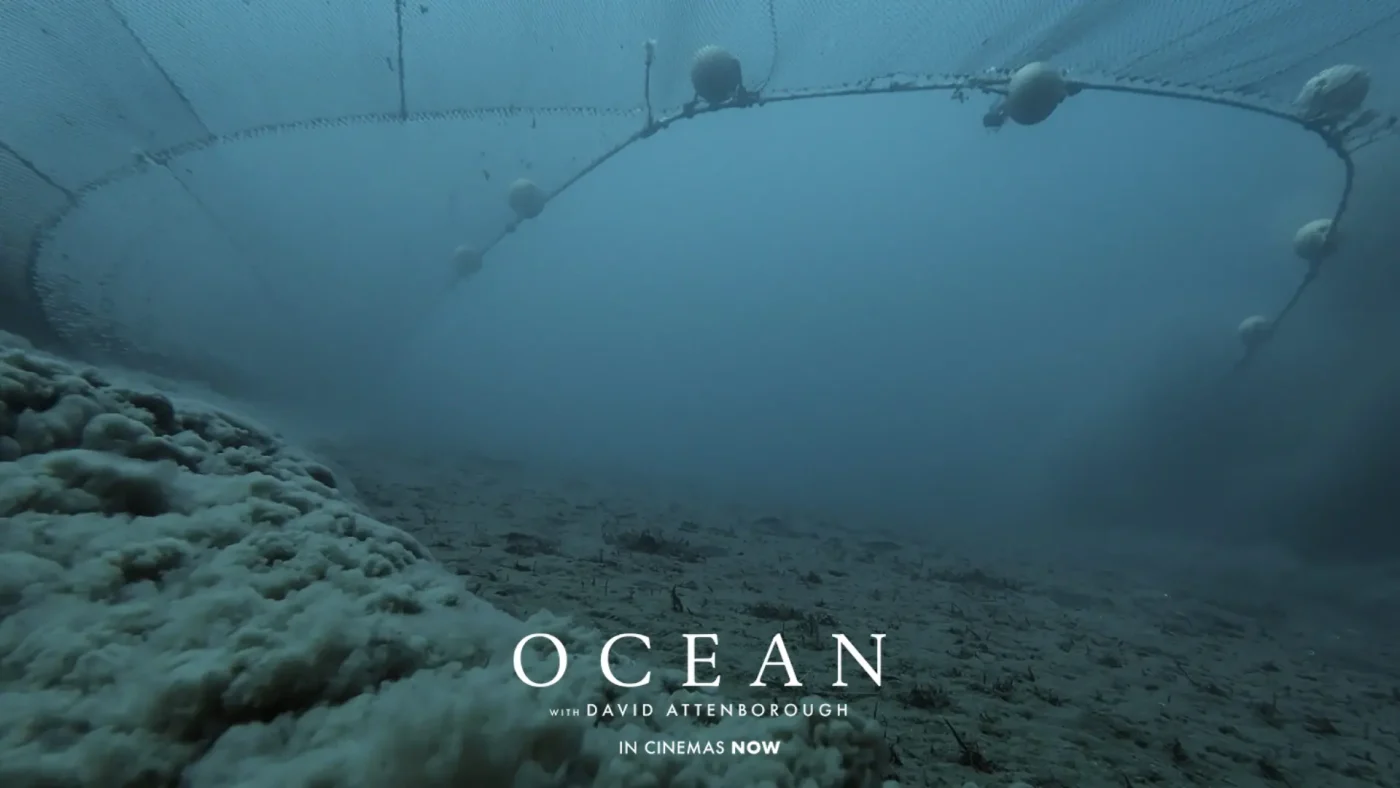
Image taken from the OCEAN documentary, featuring the most detailed footage of bottom trawling ever recorded.
Over 20 new MPAs were announced, but work needs to be done to ensure protection means protection. While France did not ban bottom trawling in its protected areas, the UK announced plans to ban bottom trawling across more than 30,000 km²—roughly half of English MPAs. Notably, Ghana also committed to excluding bottom trawling and other industrial fishing practices from the entirety of its territorial waters.
Progress on the High Seas Treaty
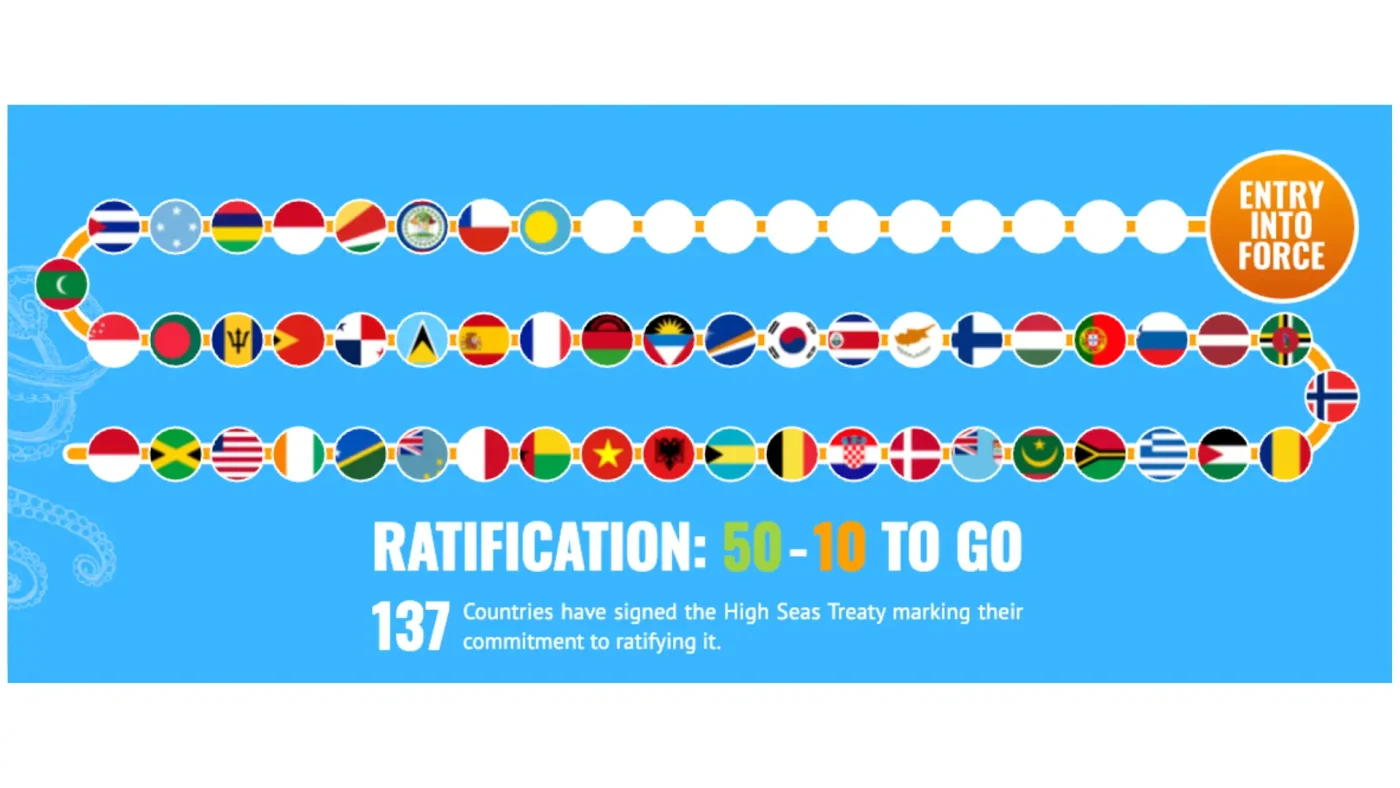
High Seas Alliance ratification tracker
Efforts to finalize the High Seas Treaty accelerated in Nice, with 50 countries now having ratified it officially through their domestic processes. A record 19 ratifications took place during UNOC itself, and the threshold to bring the treaty into force – 60 ratifications – is expected to be reached later this year.

Events Global Fishing Watch took part in:
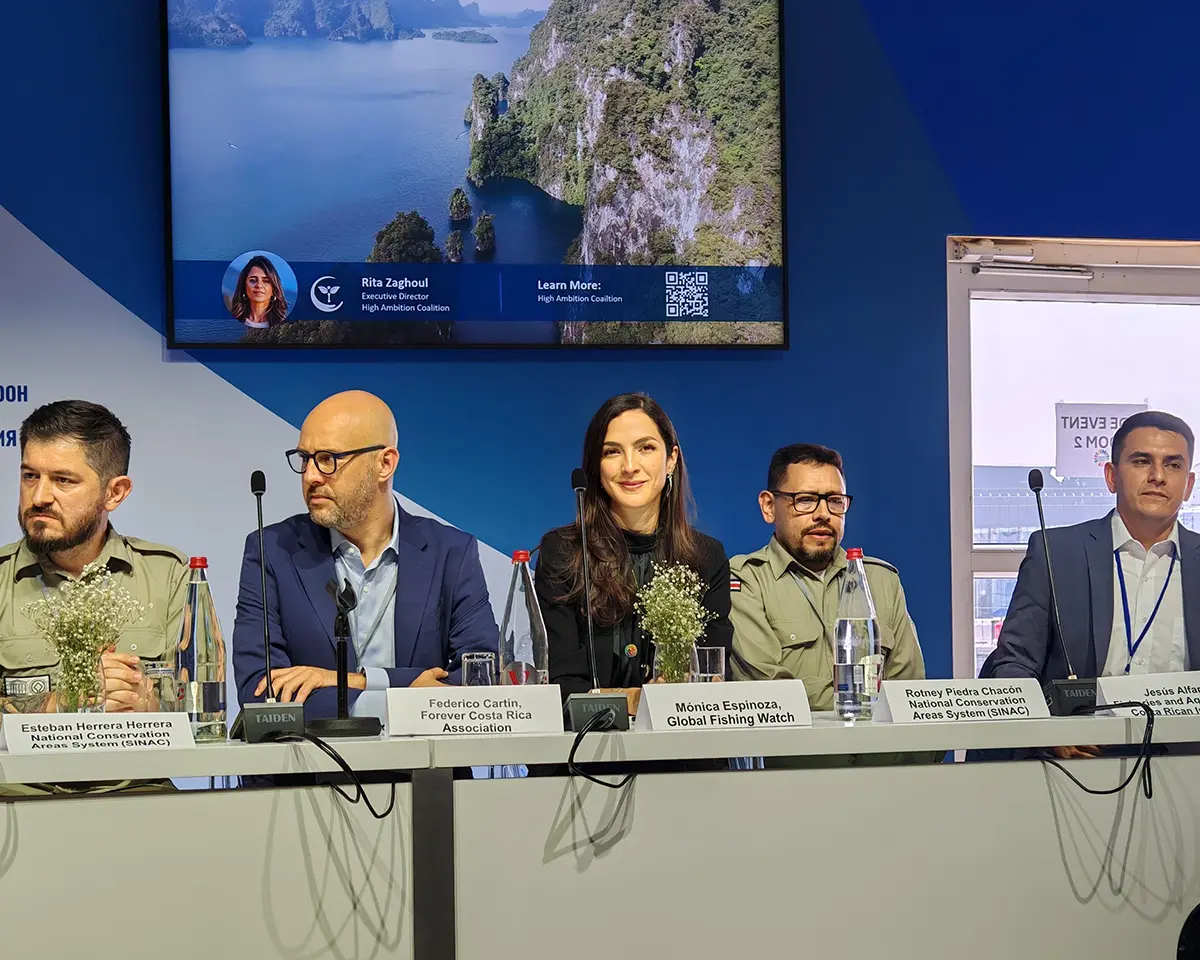
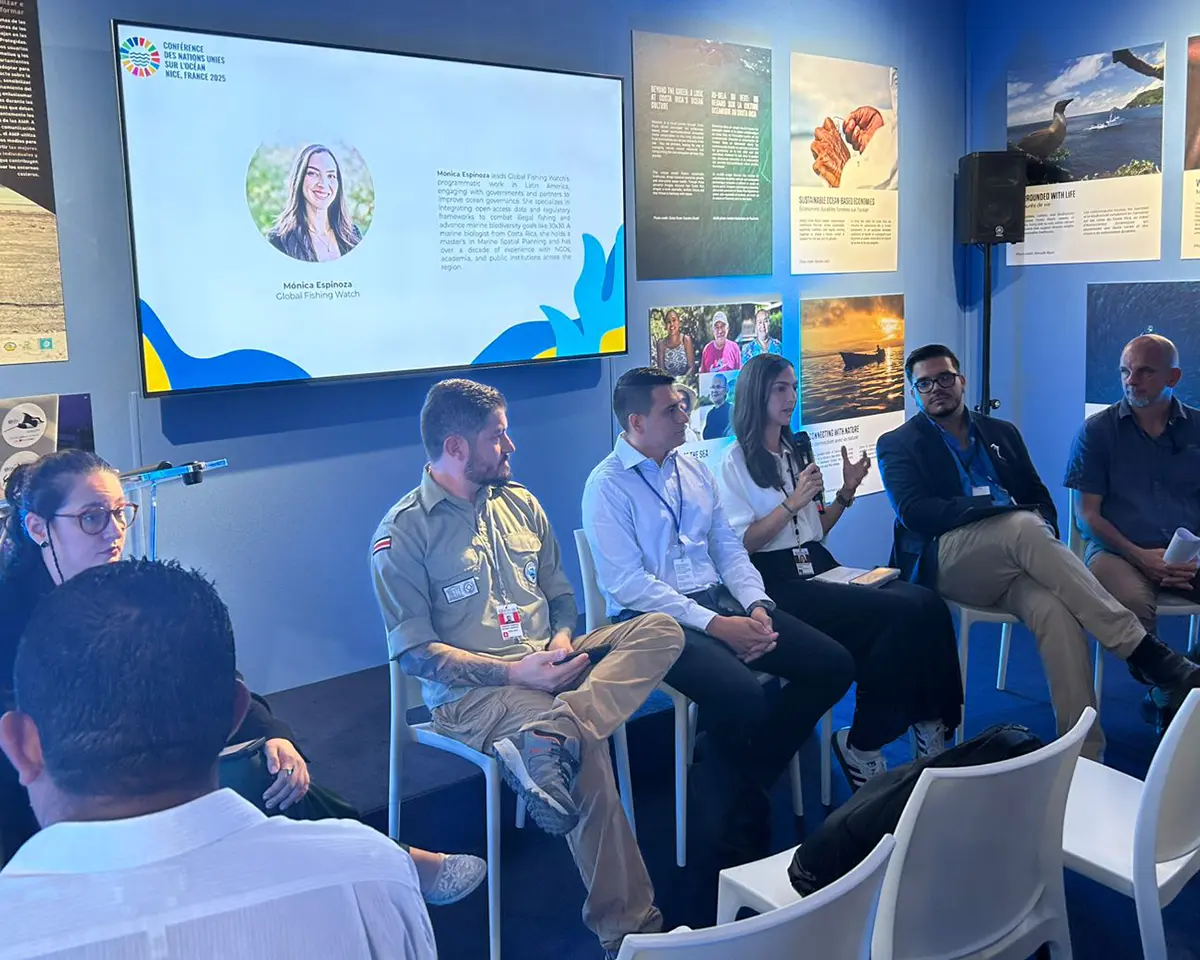
Costa Rica: consolidating 30x30 in its Jurisdictional Waters and Beyond
- June 10
- 12:15 - 13:30
- Room 2, Blue Zone
Costa Rica will share the design and implementation of innovative tools that are supporting the conservation and management of marine biodiversity in its marine protected areas and jurisdictional waters.
Global Fishing Watch speaker: Monica Espinoza Miralles
Towards a regional front to reduce the risk of collisions between maritime ships and whales in the Eastern Pacific
- June 10
- 15:45 - 17:00
- Room 3, Blue Zone
The event will showcase initiatives to protect the humpback whale migration route and reduce the risk of ship collisions, promoting a regional front in the Eastern Pacific.
Global Fishing Watch speaker: Sarah Bladen
Eyes on the Ocean: Strengthening Surveillance in the Eastern Tropical Pacific
- June 11
- 11:00 - 11:50
- Costa Rica Pavilion, Green Zone
A discussion on the regional efforts of CMAR and its partners to strengthen Monitoring, Control, and Surveillance (MCS) in its core marine protected areas (MPAs), highlighting the role of collaboration, technology and intelligence in combating IUU fishing and promoting marine conservation.
Global Fishing Watch speaker: Monica Espinoza Miralles
Monitoring, control and surveillance of future high seas MPAs: opportunities and challenges
- June 11
- 15:00-16:00
- OFP Pavilion, Green Zone
Building on the momentum for ratification and entry into force of the BBNJ Agreement, this event aims to highlight how the Agreement’s implementation can catalyze action for the achievement of SDG14.
Global Fishing Watch speaker: Mariagrazia Graziano
Transparency, Will, and Progress: The Pillars of Action and the IUU-AA Journey So Far
- June 11
- 17:30 - 18:45
- Room 1, Blue Zone
An interactive panel focusing on the importance of transparency and political will in driving the counter IUU fishing agenda.
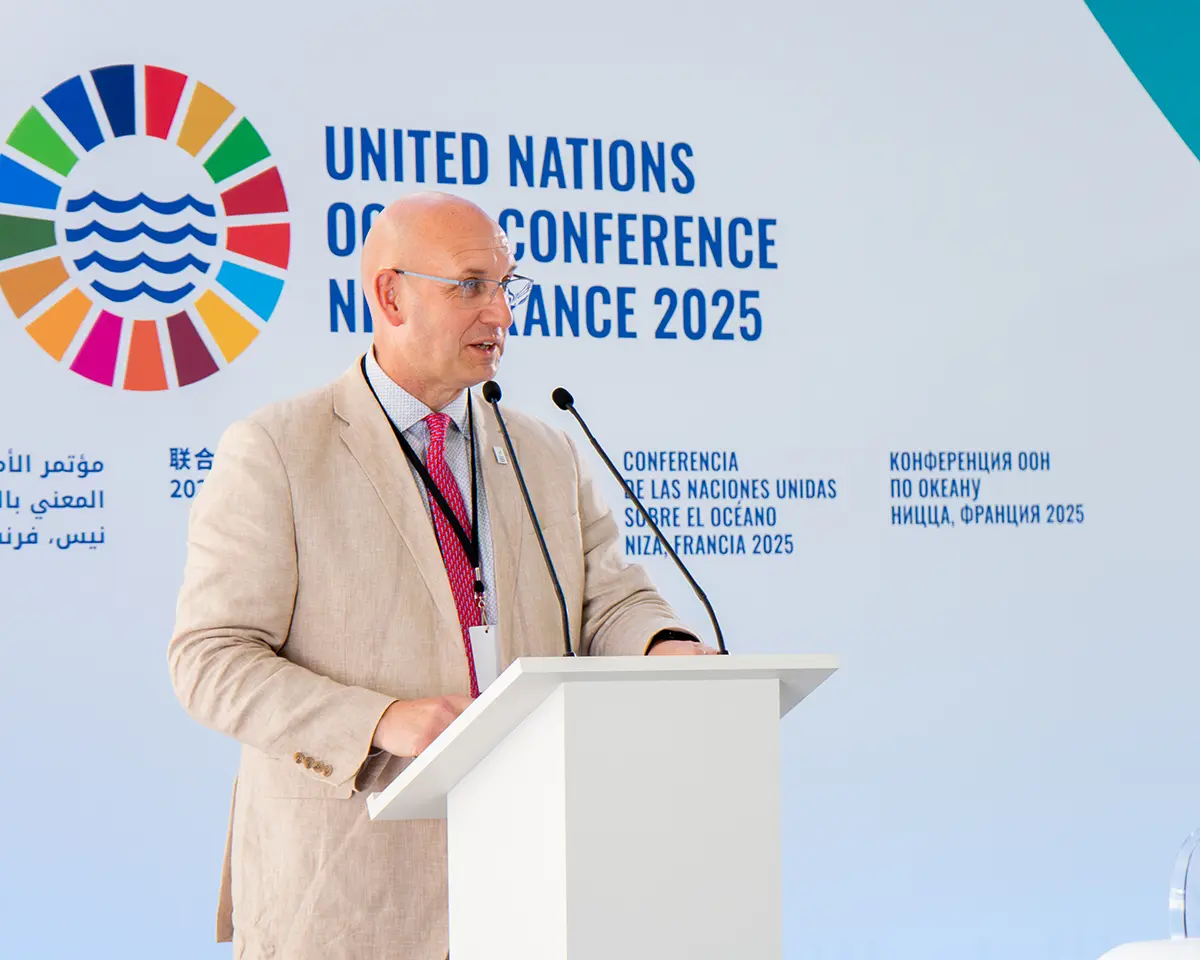
Global Fishing Watch speaker: Tony Long
Strengthening Transparency and Enforcement in Fisheries Governance from Coastal Waters to the High Seas
- June 12
- 08:45 - 10:00
- Room 3, Blue Zone
Showcasing innovative frameworks and technologies that enhance monitoring, transparency and legal enforcement in fisheries — from national waters to the high seas. This event will particularly explore African-led approaches to international cooperation and legal initiatives.
Global Fishing Watch speaker: Tony Long
Empowering Youth for a Digital Ocean
- June 12
- 10:00 - 11:30
- Salon Président, Westminster Hotel & Spa, Nice
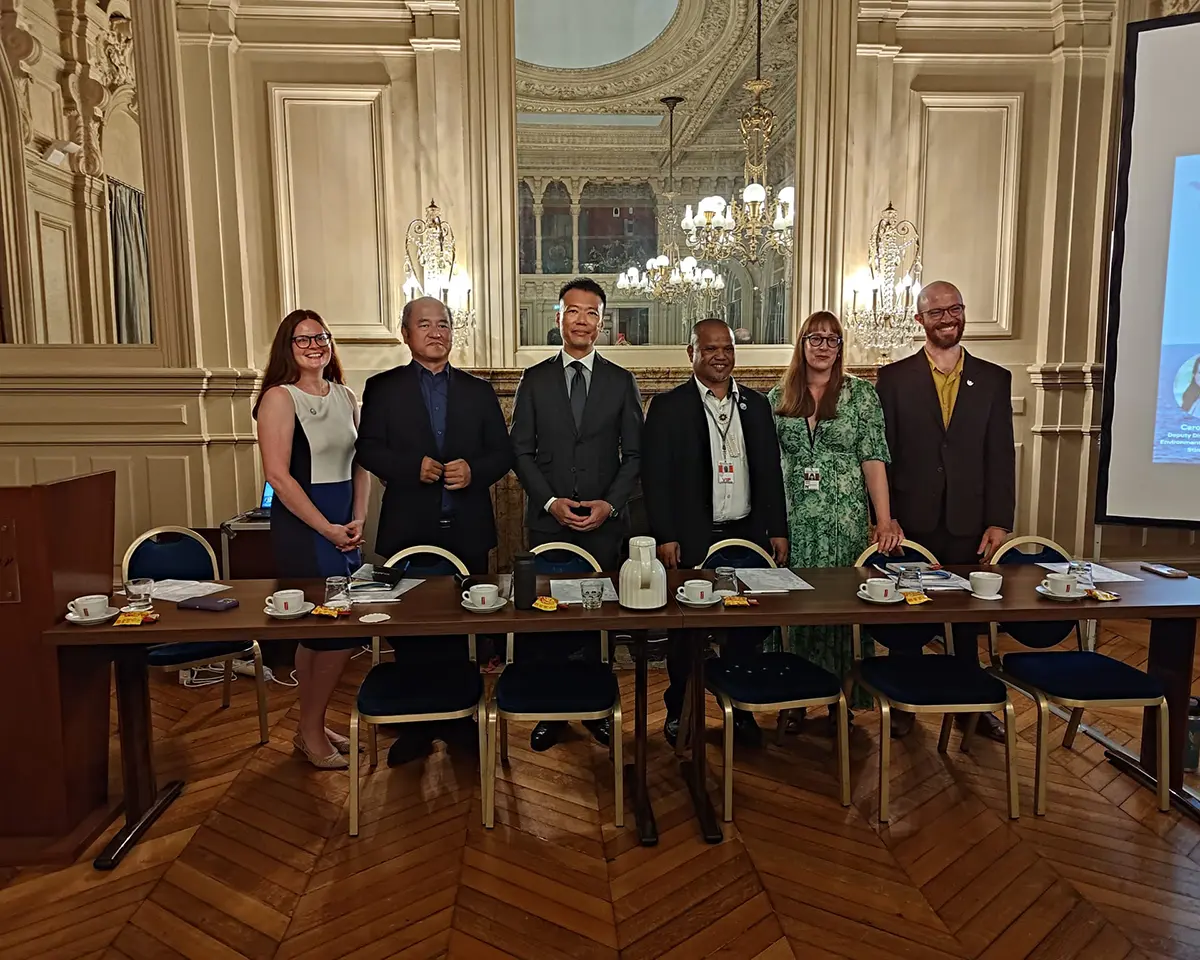
A theme-sharing session featuring representatives from organizations including the Palau Government, International Cooperation and Development Fund, Sasakawa Peace Foundation, Global Fishing Watch and the Sustainable Ocean Alliance. Each will highlight their use of digital technology to engage youth in tackling ocean-related challenges.
Global Fishing Watch speaker: Joanna Buckley
Global Fishing Watch: Advancing Ocean Governance with Data Transparency and Technology
- June 13
- 13:00 - 14:00
- Costa Rica Pavilion, Green Zone
Exploring key issues facing Cocos Island, such as illegal, unreported and unregulated fishing and overfishing.
Global Fishing Watch speaker: Monica Espinoza Miralles
Explore our biodiversity tool: Marine Manager

Developed in partnership with Dona Bertarelli, Marine Manager is an innovative technology portal that seeks to improve insight into marine protected areas. By monitoring the quality, efficiency and impact of long-term protections, Marine Manager aims to ensure robust and science-based management of protected areas and in acknowledgement of the vital contributions they make to our ocean.
Why does transparency matter?
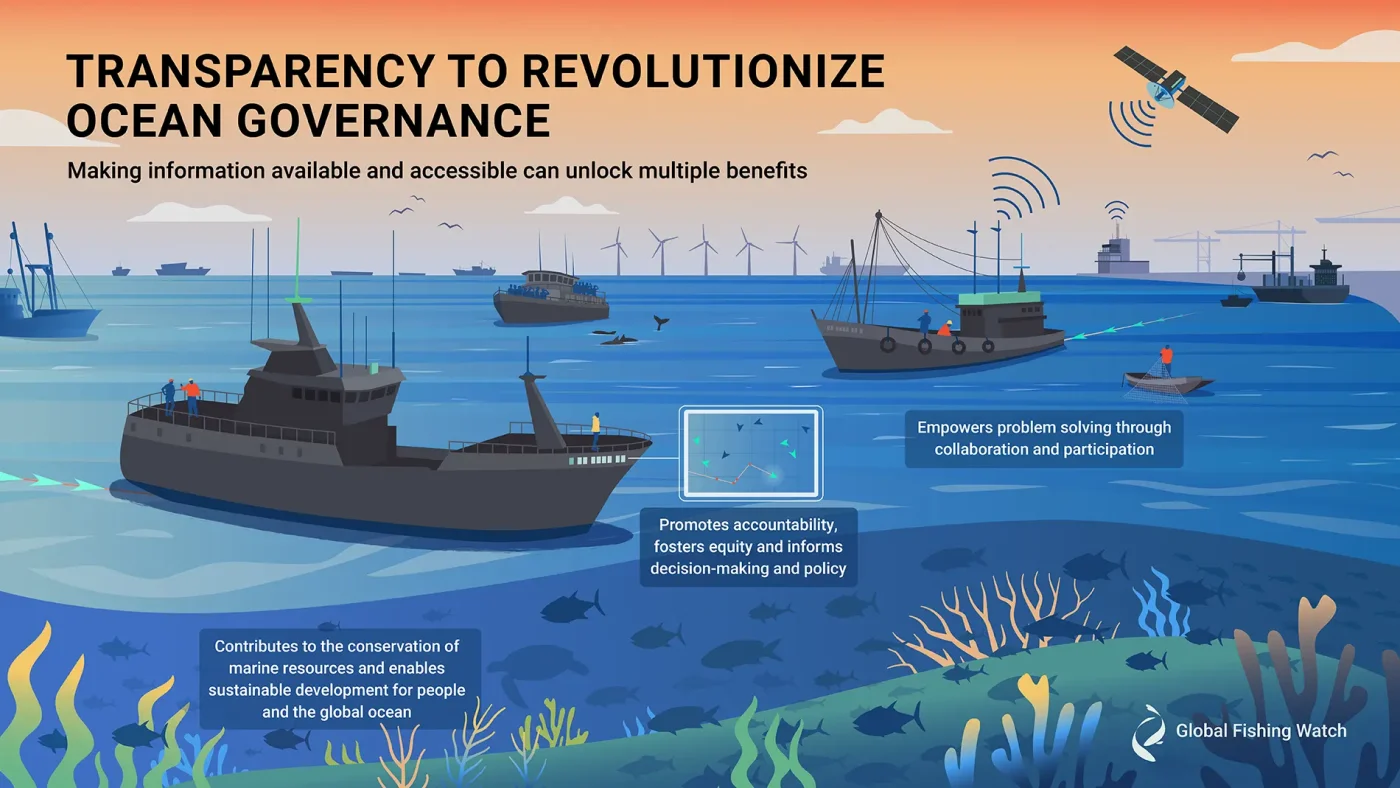
Transparency is essential to promoting sustainable ocean governance and mitigating against illegal, unreported and unregulated (IUU) fishing. Through clear data-sharing practices such as vessel tracking, public registration, identification, ownership disclosure and reporting of transshipment activity, governments, industry and small-scale fishers can foster accountability, strengthen policy decisions and uphold human rights at sea. Transparency helps inform science-based management, facilitates regional cooperation, and contributes to the long-term conservation of marine resources.
Explore our infographics to understand how transparency standards can revolutionize fisheries oversight and empower better outcomes for people and the planet.

Our success stories: 30x30 on the ground
As the 10th Our Ocean Conference discusses the future of digital oceans, Global Fishing Watch’s Tony Long and Paolo Domondon renew their call for a binding vessel tracking mandate to help deliver on the promise of 30×30.

Costa Rica harnesses Global Fishing Watch technology to help reduce illegal fishing and improve the management of a vast marine protected area.

The University of Washington revealed in a study using Global Fishing Watch data that fewer than 7 percent of global hotspots for whale and ship collisions have protection measures in place.

Albania leads efforts to protect vulnerable marine ecosystems in Mediterranean waters.
Learn more about our work on transparency and biodiversity :
Transparency
Biodiversity
Safeguarding marine biodiversity not only supports a healthy environment but also contributes to the wellbeing of societies and economies — food provision, identities, livelihoods and more.